

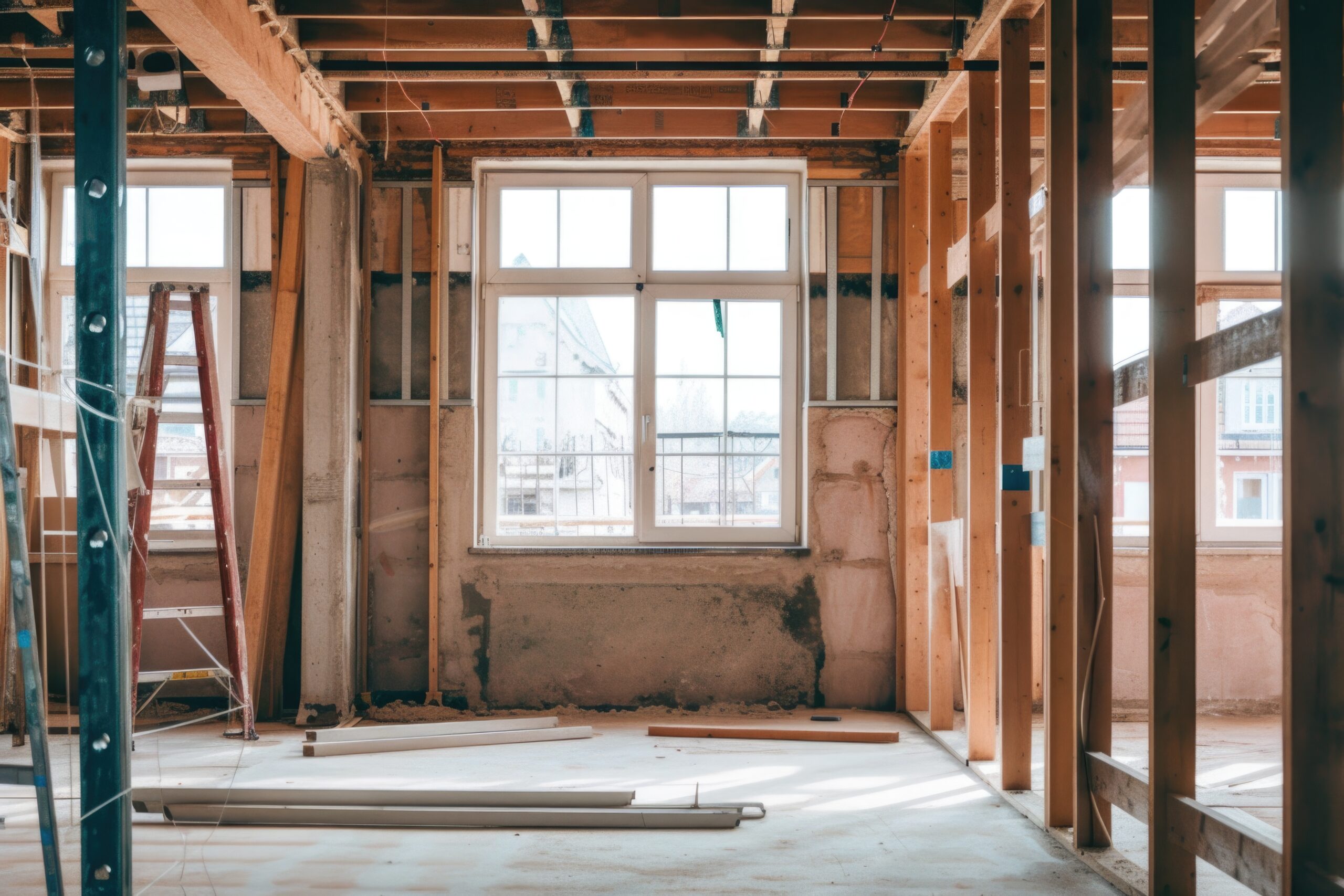
Property renovation mistakes often happen before any work even begins. Most investors assume that improving a property is about upgrading finishes, but the real issue usually lies in how the space is structured.
Before choosing materials, colours, or fittings, it’s critical to understand how the layout of a property will function. Without this clarity, even well-funded renovations can fail to deliver strong returns.
The biggest mistake investors make is starting with finishes instead of first assessing how the space should actually work.
Why Most Renovations Go Wrong
Renovations often go wrong because decisions are made in the wrong order.
Investors typically begin by thinking about visual upgrades — new kitchens, modern bathrooms, updated flooring — because these are easy to see and quantify. However, these improvements do not address whether the space is being used effectively.
If the layout is inefficient, no amount of cosmetic improvement will fix the underlying problem. You may end up with a property that looks better but still feels awkward, impractical, or limited in its usability.
This is where many renovation budgets are wasted — money is spent improving appearance instead of improving performance.
The Role of Layout in Renovation Success
A successful renovation starts with understanding how a space should function.
Layout determines how people move through a property, how rooms are used, and how comfortable the overall environment feels. It also directly impacts income potential, especially in rental or multi-use properties.
A proper layout strategy considers factors such as flow, privacy, room sizes, and flexibility. It identifies whether additional rooms can be created, whether existing spaces can be improved, and how the property can better meet market demand.
Without this step, renovation becomes reactive instead of strategic — and that is where costly mistakes occur.
Common Property Renovation Mistakes Investors Make
There are several recurring property renovation mistakes that investors make when they skip proper layout planning.
One of the most common is overcapitalising on finishes. High-end materials are added to a property that still lacks functionality, resulting in limited return on investment.
Another mistake is assuming that all spaces are easily changeable. Structural walls, plumbing locations, and access points often restrict what can realistically be achieved, and failing to account for these can lead to unexpected costs.
Investors also tend to overlook how the property will actually be used. A layout might look acceptable on paper, but in real life, it may not suit tenants, buyers, or the intended purpose of the space.
These mistakes are avoidable when decisions are made with a clear understanding of layout and function.
How to Approach Renovation the Right Way
The most effective renovations follow a clear, structured approach.
The first step is to assess the existing layout and identify opportunities for improvement. This includes analysing how the space flows, where inefficiencies exist, and what changes would create the most value.
The second step is to define the end goal of the property. Whether it is a rental investment, Airbnb, resale, or long-term hold, the layout should be aligned with that objective.
Only after these steps should finishes be considered. At this stage, finishes enhance the space rather than attempting to fix it.
This approach ensures that every decision contributes to performance, not just appearance.
Why Fixing Layout First Increases Returns
Focusing on layout before finishes has a direct impact on financial outcomes.
Improving layout can increase usable space, allow for additional rooms, and create a better living experience — all of which contribute to higher rental income and stronger resale value.
In many cases, relatively small layout adjustments can deliver greater returns than expensive finish upgrades. This is because layout changes affect how the entire property functions, rather than just how it looks.
Investors who prioritise layout are able to unlock value that others miss, giving them a significant advantage in competitive markets.
Conclusion
Understanding property renovation mistakes is not about avoiding renovation altogether — it is about making better decisions before starting.
The most important factor is not what materials you choose, but how the space works.
By focusing on layout first, investors can reduce risk, control costs, and maximise the performance of their property.
The difference between a successful renovation and a disappointing one is usually decided before any work begins.
If you’re planning a renovation, we can help you assess your layout before you spend — ensuring your investment is structured for performance and return.
Industry research consistently shows that functionality and layout play a key role in long-term property performance.
For a complete guide to making better property decisions, read our full breakdown here.